Welcome to fotos by faj
fotos by faj is not just a blog, it’s a ritual. The blog will explore photography in all its forms: technique, texture and quiet presence.
The blog will also discuss aspects of my photos that are currently on sale, as well as those that may be sold in the future.
At the end of each week, I will publish the pics from both my 365 challenges.
The first challenge is to publish each day a photo that I haven’t published before, and the second challenge is to publish a photo on a weekly theme.
Capturing the essence of the world through my lens. Discover unique perspectives, bold compositions, and abstract expression designed to inspire your space. So welcome. Browse by theme.
Fotos by Faj is a place to see and feel what’s quietly extraordinary.
Where silence becomes visible.
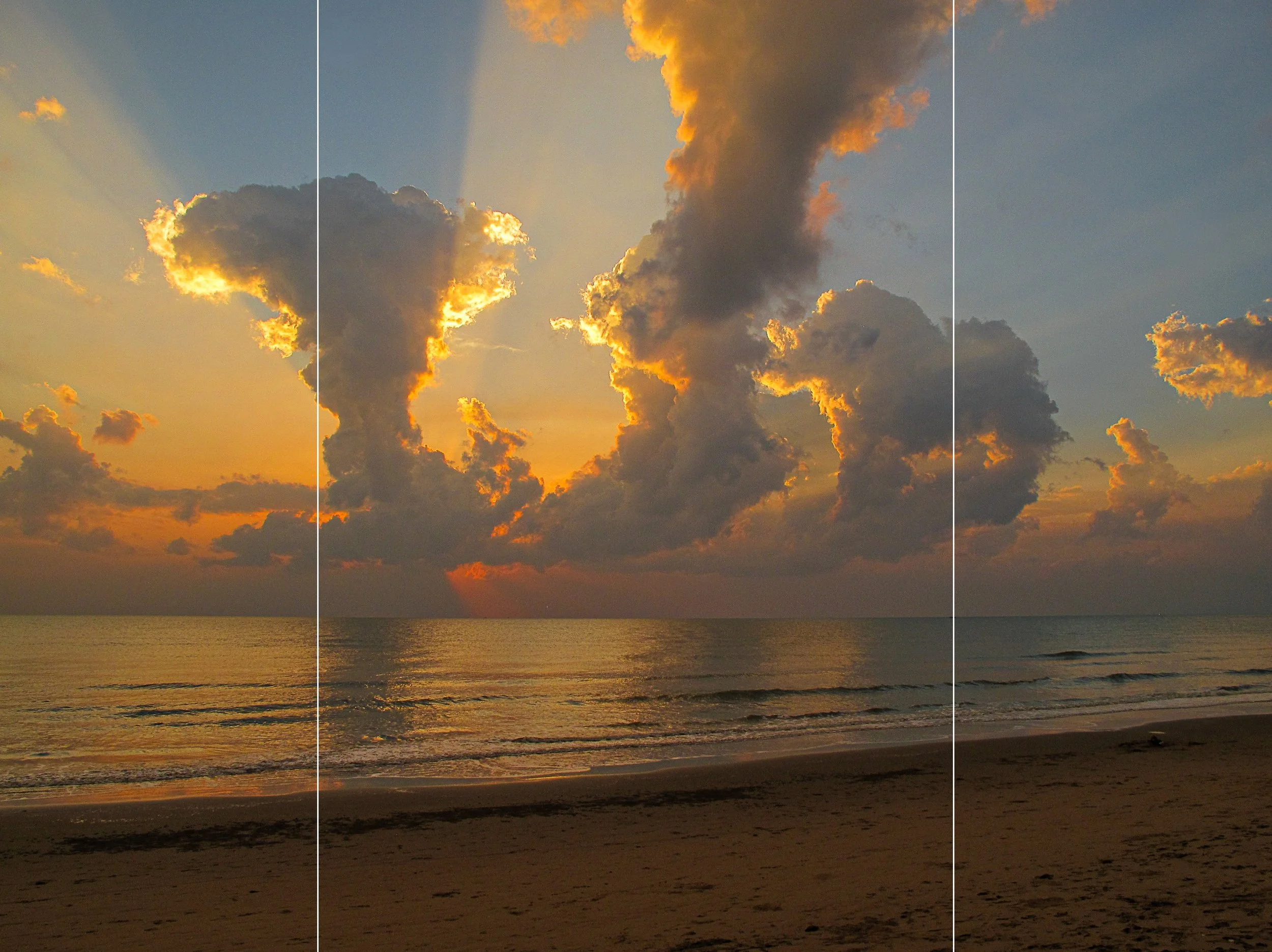
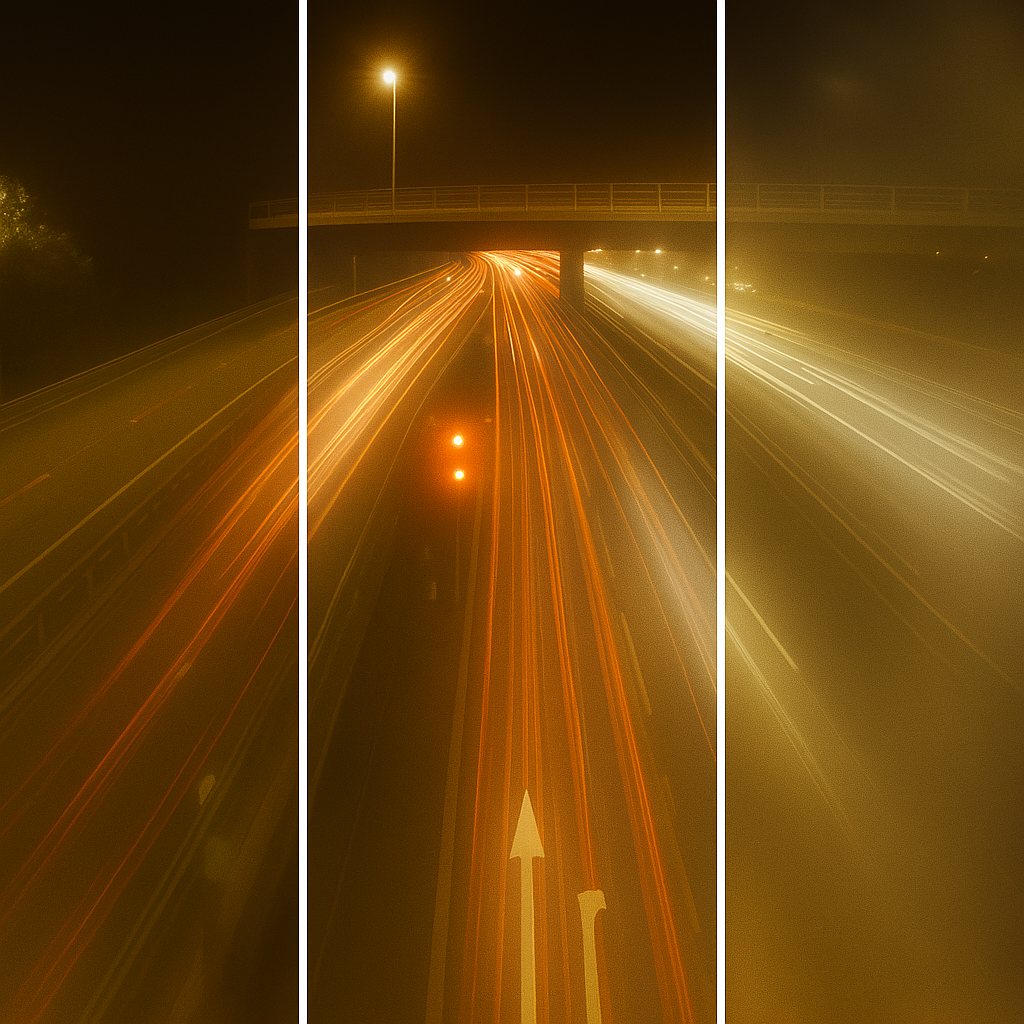
Is a Photo Split into Three Better Than the Original?
There’s a quiet magic in a single photograph — that moment when everything aligns: light, subject, emotion, and intention. One frame, one story, one breath held in time. But lately, I’ve found myself returning to a question that keeps nudging at the edges of my creative process:
Is a photo more powerful when it’s split into three? Or does the original single image still hold the strongest truth?
Triptych photography isn’t new. Artists have been using three‑panel compositions for centuries, from religious paintings to modern gallery installations. But when we apply that idea to photography — especially personal, emotional, or documentary work — something interesting happens.
A triptych can reshape the way we see a moment. It can slow the viewer down. It can guide the eye, create rhythm, and introduce tension or harmony.
Sometimes, splitting an image into three panels reveals details that get lost in the full frame. A gesture. A texture. A shadow that suddenly becomes its own character. The separation creates space for each part to breathe.
But there’s a trade‑off.
A single photograph often carries a kind of emotional immediacy that a triptych can’t replicate. One image, uninterrupted, can feel more honest — more direct. It doesn’t ask the viewer to assemble meaning; it simply offers it.
So which is better?
Honestly, I don’t think there’s a universal answer. It depends on the story you want to tell.
A triptych can elevate a photo into something sculptural, something that interacts with the room it hangs in. It can turn a moment into a sequence. It can make familiar scenes feel abstract or cinematic.
A single image, though, can hit like a heartbeat — fast, clear, and unforgettable.
As photographers, we’re always balancing intention with experimentation. And maybe that’s the real question:
What happens to a story when we break it apart? And what happens when we choose to keep it whole?
I’d love to hear your thoughts. Do you prefer the purity of a single frame, or the layered experience of a triptych? Which speaks to you more — and why?

What Colour Attracts the Most Views?
Colour is often the first thing a viewer notices, long before they register subject or story. It acts as a signal, a small pull on the eye that decides whether someone pauses or keeps scrolling. Over the past year I have been watching which images gather the most attention across platforms, and certain tones appear again and again as the quiet anchors of engagement. There is no single magic colour, but there are shades that consistently draw the eye and hold it.
Red is the most instinctive magnet. The human eye is wired to notice it first, and even a small red element in an otherwise muted frame can act like a flare. It is powerful and immediate, but it works best in small, deliberate touches. Too much red becomes noise, while a single red detail can become the heartbeat of an image.
Blue behaves differently. It is the colour people linger on the longest. Deep indigo, storm blue and the soft blue of twilight create a sense of calm and expansiveness that encourages viewers to stay with the image. Landscape photographers know this instinctively. A blue‑heavy frame often outperforms a green‑heavy one, even when the composition is identical, simply because blue feels familiar and safe.
Green is gentle and contemplative. It does not always command attention at first glance, but it invites a slower, more reflective kind of viewing. Moss, woodland mist and soft natural greens create a sense of quiet that rewards patience. Green becomes more compelling when paired with contrast, such as a warm light or a single unexpected colour.
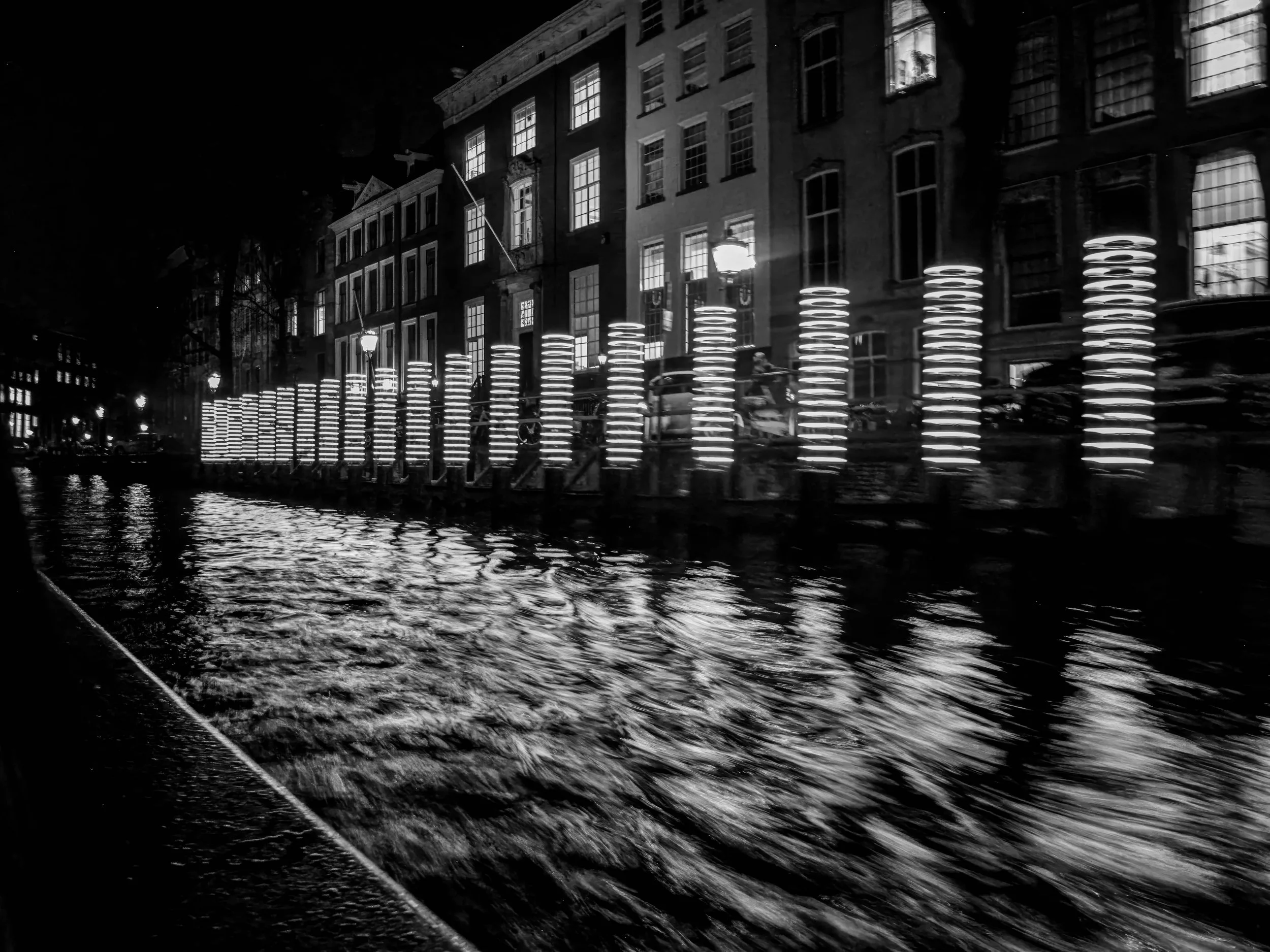
Why Black & White Still Speaks Louder Than Colour
Why Black & White Still Speaks Louder Than Colour
There is a quiet kind of power in black and white photography, a clarity that colour can sometimes overwhelm. When an image is reduced to light and shadow, something essential rises to the surface. The noise falls away and what remains is mood, form and truth.
In monochrome, light becomes a presence in its own right. Shadows stretch, textures breathe and the smallest gesture suddenly feels significant. Without colour competing for attention, the eye settles into the story carried by contrast, shape and atmosphere.
Black and white also gives a photograph a sense of timelessness. A moment captured today can feel as if it belongs to an older archive. It invites the viewer to linger, to interpret, to feel rather than simply observe.
Colour shows the world as it is. Black and white reveals the world as it feels.
And sometimes feeling is the stronger argument.
Do you agree?
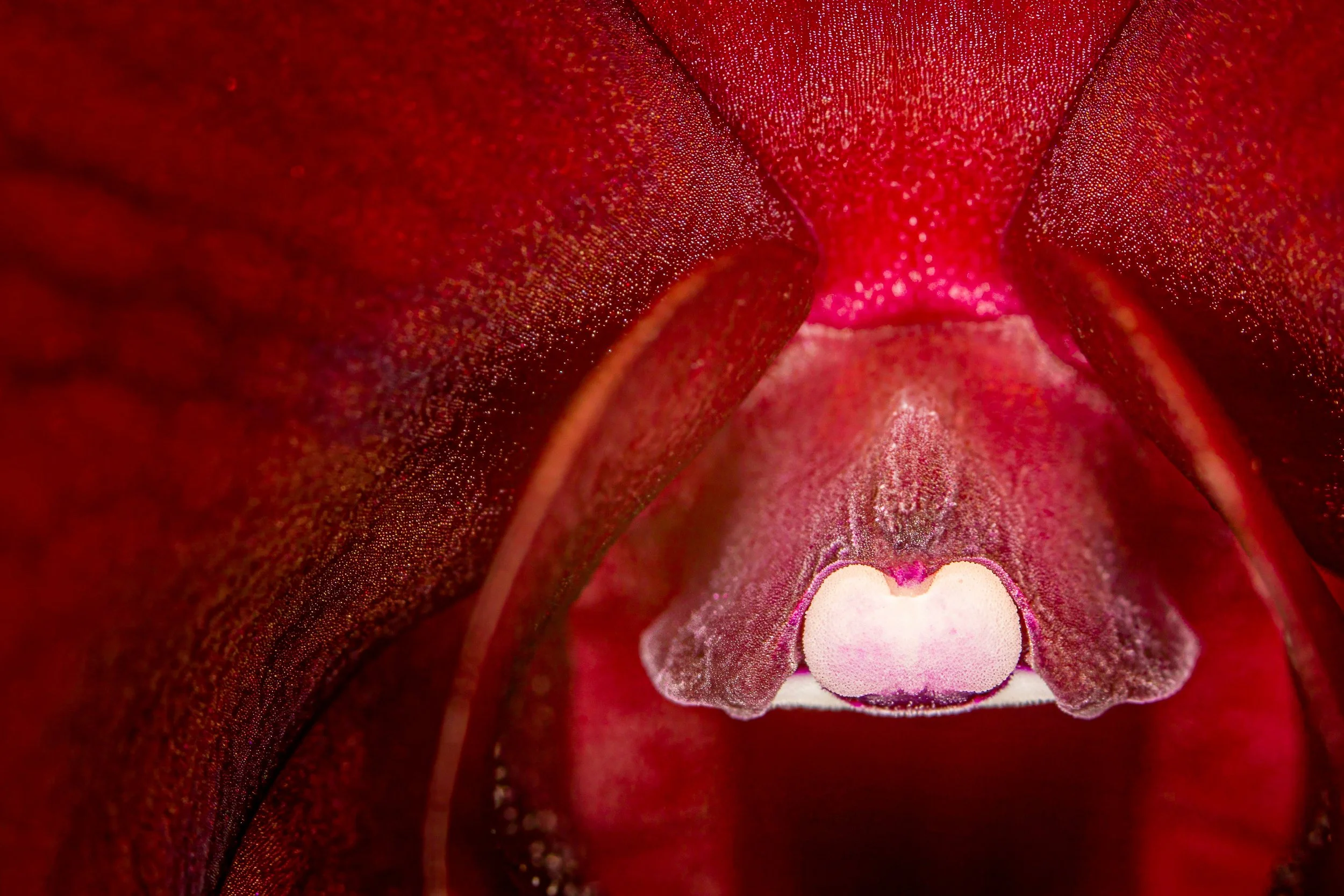

The Obsession With Sharpness Is Killing Creativity
The Obsession With Sharpness Is Killing Creativity
Photography has drifted into a strange era, one where sharpness has quietly become the ultimate measure of worth. It is as if the soul of an image can be located at the edge of a pixel, as if emotional resonance can be judged by zooming in far beyond what the human eye would ever perceive. Somewhere between the marketing of ultra‑sharp lenses and the culture of forensic pixel‑peeping, we forgot that a photograph is meant to be felt rather than inspected.
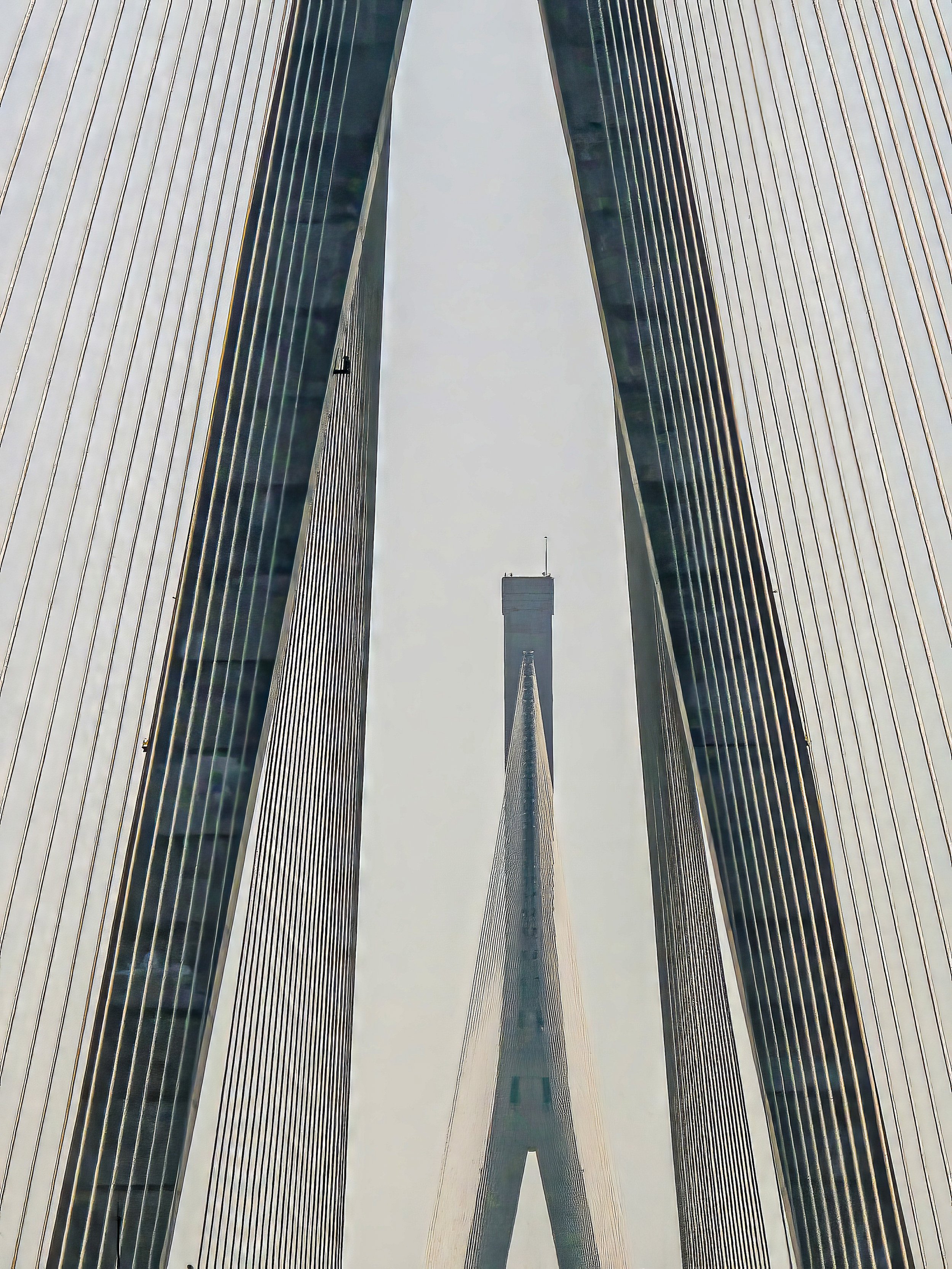
Does Expensive Gear give you good photos?
The question appears again and again, often when a new camera is announced or when someone sees an image they admire and assumes the secret must be hidden in the equipment. It is an easy idea to believe, that artistry can be bought and that a higher price tag guarantees a better photograph. The truth is quieter and far more human. Expensive gear can widen the technical boundaries of what is possible. It can give cleaner files in low light, faster and more reliable autofocus, and bodies that survive difficult weather. These advantages matter, especially for photographers who work in demanding conditions. Yet none of them decide whether a photograph carries atmosphere, emotion, or meaning.
A good photograph begins long before the shutter is pressed. It grows from attention, from the ability to notice the moment others walk past. It grows from patience, from waiting for the light to shift or the mist to settle. It grows from composition, from the instinctive arrangement of lines and balance. And it grows from the emotional thread that ties the photographer to the scene, the memory in a landscape, the quiet history in a face, the sense of place that cannot be engineered. These qualities are not sold in boxes. They are cultivated slowly through practice, curiosity, and the willingness to look a little longer.
Sometimes expensive gear can even get in the way. It can create pressure to justify the investment, to chase technical perfection at the expense of soul. It can make a photographer hesitate, worrying more about settings than about the moment unfolding in front of them. The right tool is the one that disappears in the hand, the one that allows the photographer to work without friction, the one that supports the way they naturally see.
The better question is not whether expensive gear makes good photos. It is whether a particular piece of equipment helps the photographer make the images they are trying to make. For some, a full frame body or a fast prime lens unlocks a vision. For others, a modest camera or even a phone is enough, because the heart of the work lies elsewhere. Good photographs come from the photographer, from their patience, their way of seeing, and their connection to the world. Gear shapes the edges of possibility, but vision fills the frame.
What do you think?
#fotosbyfaj
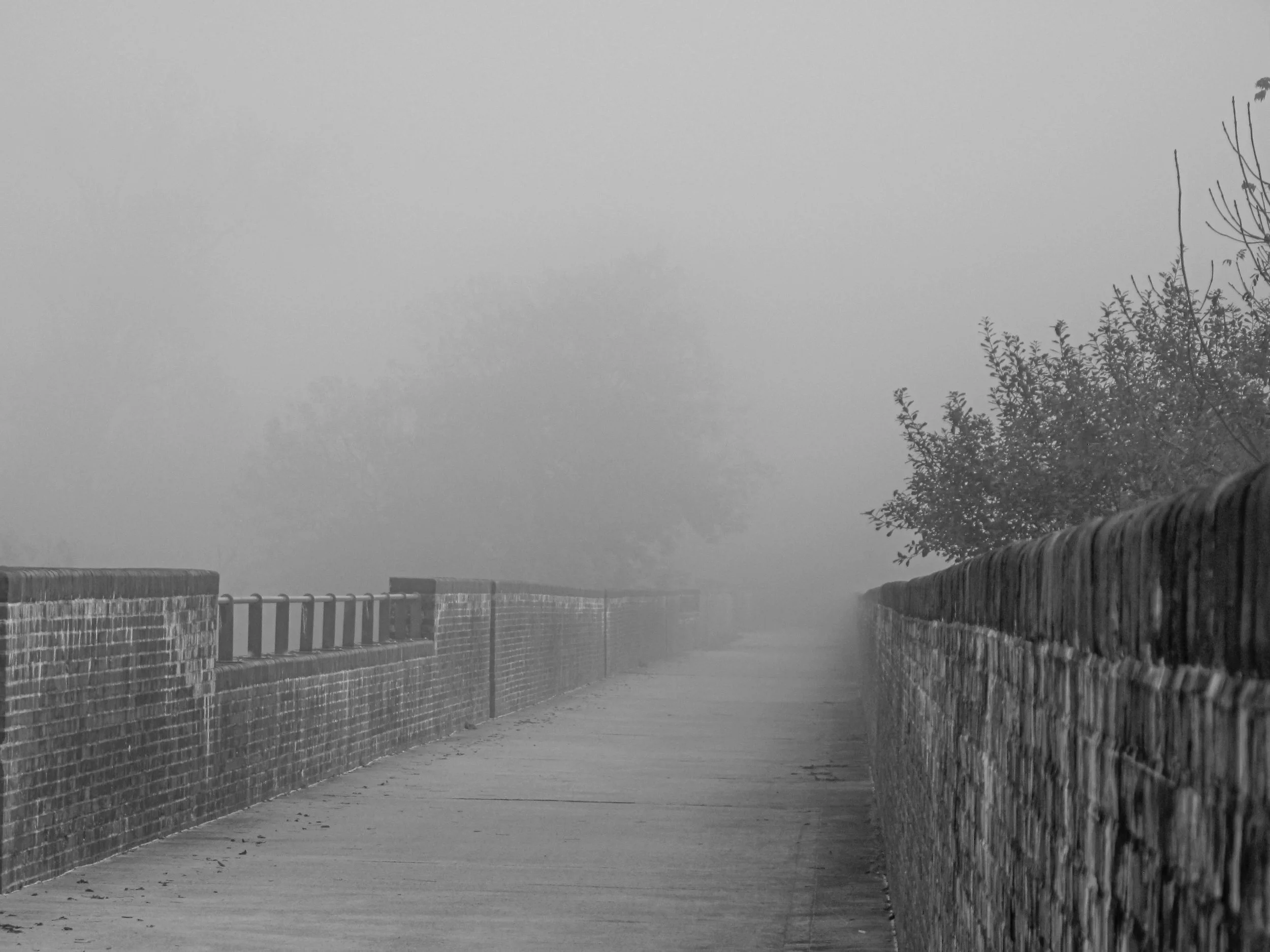
The Shape of What Isn’t There: Working With Mist and Fog
Mist has a way of remaking the familiar. A lane you have walked many times becomes a corridor of soft uncertainty, its edges dissolved and its distances rearranged. Sound changes first, with footsteps muted and birdsong closer than it should be, and then colour follows, reduced to a quiet palette of greys and diluted greens. In that softened world, the eye slows. It stops scanning for detail and starts noticing shape, temperature, and the way light behaves when it has to push through something that is not quite air.

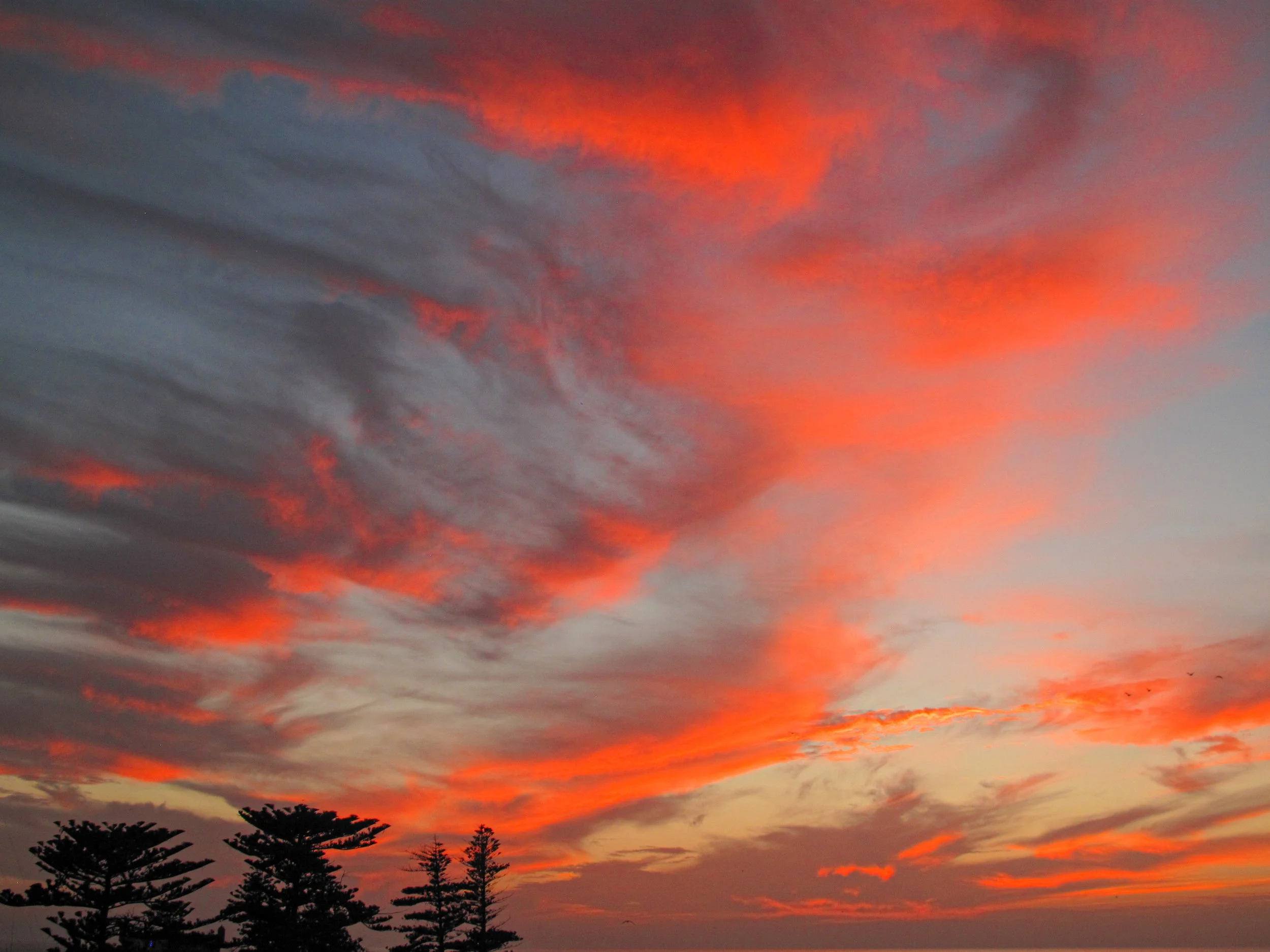
The Quiet Alchemy of Sunsets
There is a moment just before the sun slips beneath the horizon when the world seems to hold its breath. Light softens. Edges blur. Colours bloom into something almost impossible, a palette that exists for minutes and then disappears without a trace. Sunsets are fleeting, but that is part of their quiet alchemy.
The Art of Seeing Slowly: Why Patience Shapes the Photographer More Than Gear
There is a kind of attention that only arrives when you slow down. Photography isn’t shaped by gear as much as by the quiet discipline of lingering — of letting the world reveal itself in its own time. This piece explores how patience sharpens the eye, deepens presence, and transforms the way we see.
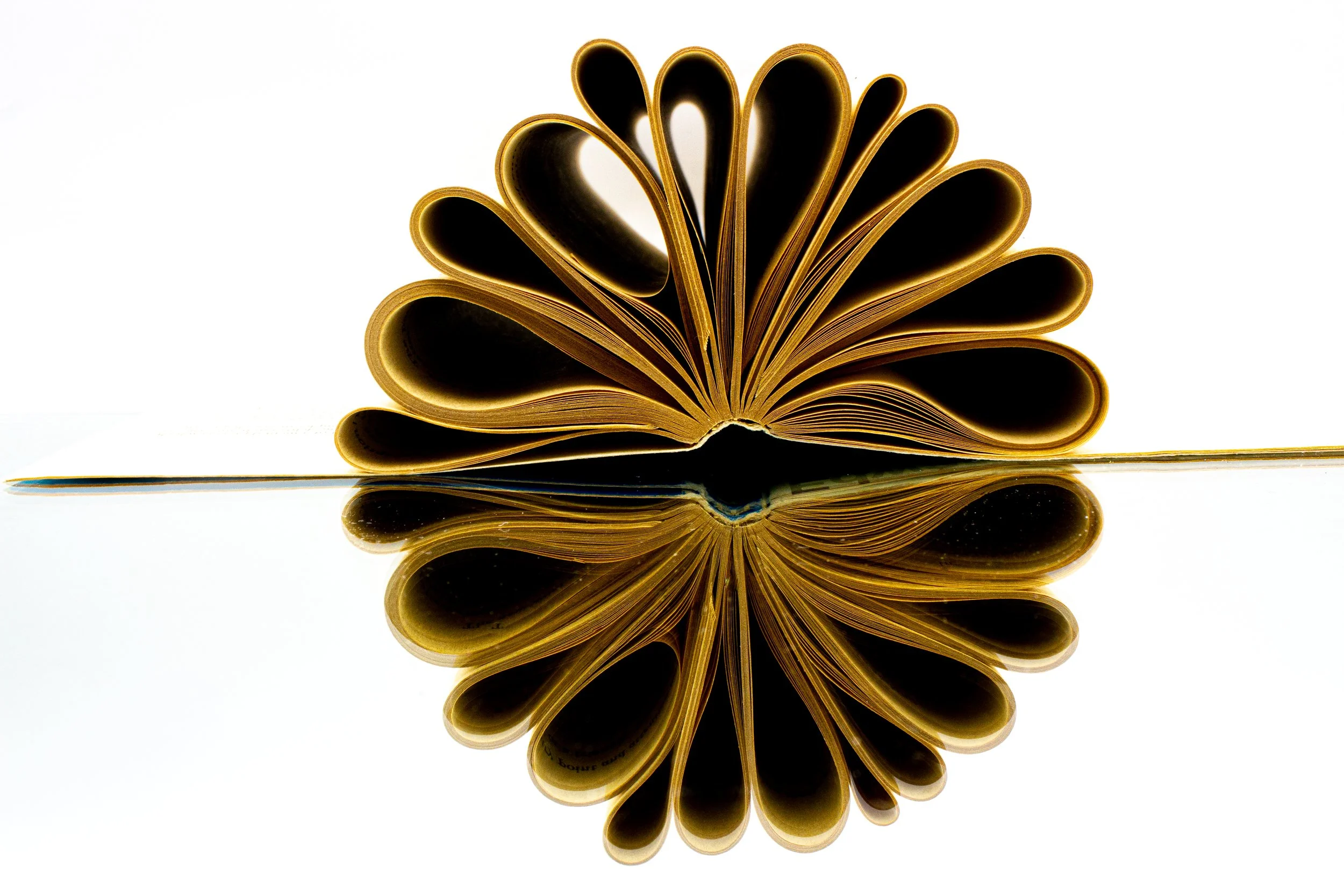
The Quiet Moments of Creativity
Some mornings I look at my photography stats and feel a quiet distance from the numbers. They show movement and activity, but they never tell the whole story.
They cannot capture the cold air of an early start, the hush of a winter shoreline, or the patience behind a single frame. They cannot measure the way light shifts across a familiar street or the small moment that made me lift the camera in the first place.
The images that matter most to me often sit quietly in the background. They may not gather attention, but they hold something deeper. They remind me that creativity is not a race and it is not a graph. It is a practice of noticing, of returning, of staying open to the world.
The real metrics live off the page. They live in the scenes we revisit, the colours we chase, the calm that settles when everything aligns for a moment. They live in the slow and steady act of looking.
Today I am choosing to honour those quieter measures. The ones only I can feel. The ones that keep me creating.
What do you think?
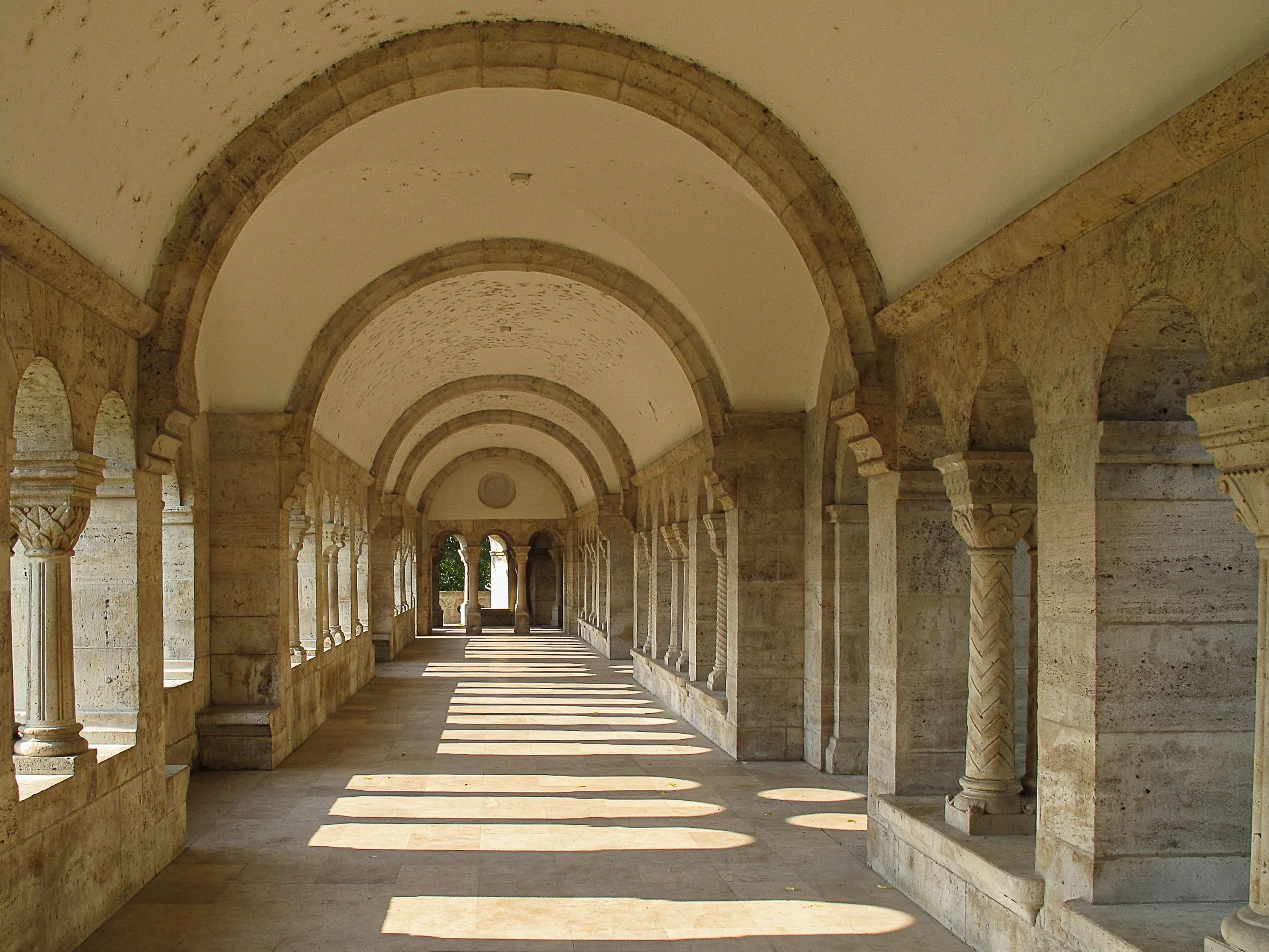
The Language of Shadows
Shadows have a quiet way of teaching light how to speak. They turn flat places into something deeper, something with texture and breath. A wall becomes a canvas only when a branch leans across it. A path becomes a story when the winter sun stretches its long, wandering lines. Shadows do not simply fall. They shape.
There is a kind of emotion that only shadow can hold. Light announces itself. Shadow suggests. A soft shadow feels like a pause. A sharp one feels like a boundary. And the ones that drift across a room as the day moves feel like time itself passing in front of you. They leave space for us to imagine the rest.
The most evocative shadows live in the in between hours: dawn, dusk, mist, winter light. Moments when the world feels half formed and familiar things turn quietly strange. These shadows are atmospheric, like memory settling over a landscape. They remind us that beauty does not need to be fully seen to be fully felt.
Every shadow tells a story. A figure becomes two beings: the person and the fluid echo beside them. A tree becomes shifting geometry. A window becomes a grid of calm across the floor. Shadows reveal time, season, weather, movement, stillness. They are the most understated storytellers we have.
Maybe we are drawn to them because they mirror something human. We are creatures of contrast, of what we show and what we keep tucked away. Shadows remind us that beauty often lives in the quiet, the subtle, the nearly unseen.
To notice them is to slow down. To let the world reveal itself in layers. Shadows reward those who linger. In a culture obsessed with brightness, they offer a gentler truth: beauty often waits in the margins for someone patient enough to see it.
What do you think
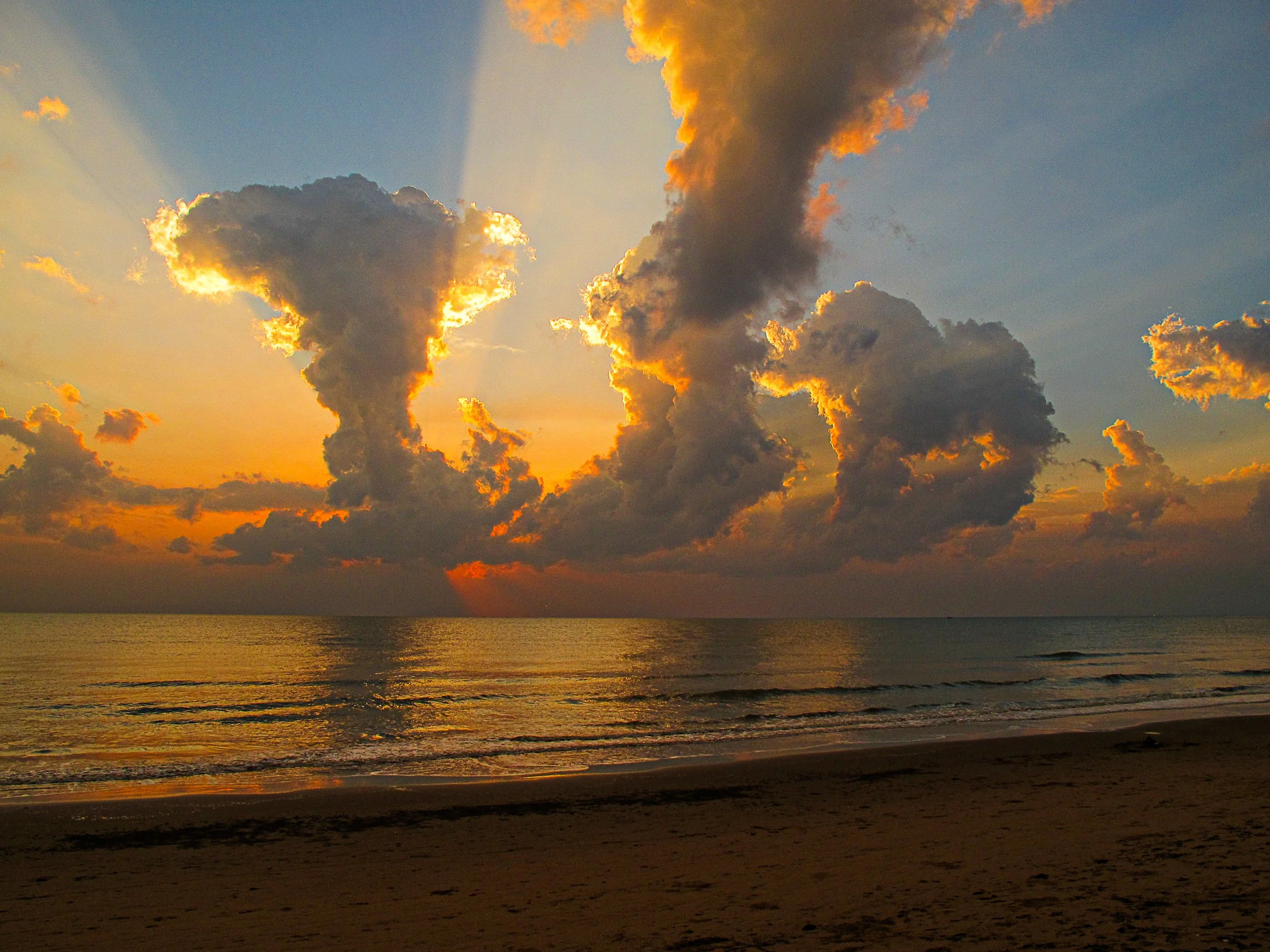
The Magic of Dawns
There’s a moment at dawn when the world feels newly made. Light gathers quietly at the edges of things — rooftops, hedgerows, distant hills — softening the dark without quite dispelling it. Colours arrive slowly, as if the day is thinking its way into being. It’s a gentle unveiling, and for those who rise early enough to witness it, dawn feels less like a time of day and more like a threshold.
Gold breaks through the dark,
Morning gathers at the edge,
Light becomes the day.
The haiku captures what dawn does so well: it speaks in subtleties. Even when the sky is dramatic — clouds lit from behind, rays fanning outward, shadows stretching long — there’s a quietness to it. A sense of pause. A sense of possibility.
Photographers return to dawn again and again because it teaches a different kind of attention. The light changes minute by minute, too subtle to rush, too fleeting to ignore. You learn to wait. You learn to watch. You learn that the world reveals itself differently when it hasn’t yet put on its daytime armour.
What makes dawn magical is its honesty. It doesn’t perform. It simply arrives — slowly, softly, sometimes shyly — and asks only that you be present. Whether you’re standing in a field, on a quiet street, or by a window with a cup of something warm, dawn offers the same invitation: begin gently.
In a life that often demands speed, dawn reminds us that renewal can be quiet. That beauty can be brief. And that noticing it — really noticing it — is its own kind of gratitude.
What is your favourite time of the day to take photographs?
Where Should Post-Editing Sit in the Photographer’s Process?
Where Should Post-Editing Sit in the Photographer’s Process
In a world where cameras keep improving, the question becomes harder to avoid. Where does post-editing truly belong in photography? Is it a tool for correction, a space for creative expression, or an essential step in translating what we saw into what we hoped the image would convey?
Should editing be used to restore the scene as our eyes perceived it when the camera could not hold the full range of light? Or does its purpose lie in shaping atmosphere, asking whether cooler tones, softer contrast, or a colour shift might better express the feeling of the moment?
How much of editing is simply guiding the viewer? When we lift a highlight or quiet a distraction, are we altering reality or clarifying intention? And when we remove a stray sign, a dust spot, or a bright corner, are we cleaning the frame or rewriting the story?
At what point does editing become interpretation rather than correction? When we convert to black and white, stretch exposure into abstraction, or lean into expressive colour work, are we still documenting, or are we creating something new from the raw material of the scene?
And how important is consistency across a body of work? Does editing become the thread that ties a portfolio together, the signature that makes a series feel like it belongs to the same voice?
Post editing is not a single step but a conversation between what the camera captured and what the photographer intended.
Interested to hear everyone’s thoughts on this

The Quiet Work of Returning: Notes From the Recycle Bin.
There is a particular kind of honesty that lives in the recycle bin. Not the dramatic kind. The kind that whispers. The kind that waits for you to slow down long enough to notice what you once dismissed.
Today I found myself there again, sifting through images I had set aside. Not failures. Not mistakes. Just moments I was not ready to understand at the time. The recycle bin is full of these half formed thoughts, these almost gestures, these quiet attempts at seeing.
What returning reveals
Coming back to old work is a way of checking in with the person I was when I made it. Sometimes I find hesitation. Sometimes I find clarity I did not recognise. Sometimes I find a photograph that feels like a message I left for myself without realising.
There is a strange comfort in noticing how my eye has shifted. What I once overlooked now feels essential. What I once clung to now feels heavy. The recycle bin becomes a map of that movement, an archive of the in between.

IS AI the end of photography
In the quiet rhythm of daily photography, the question of post-editing lingers like a shadow behind the lens. Should we intervene? Refine? Reimagine? Or should we let the image stand as it was—unfiltered, unaltered, unadorned?
This isn’t just a technical debate. It’s a philosophical one. And like most things worth considering, the answer isn’t binary.
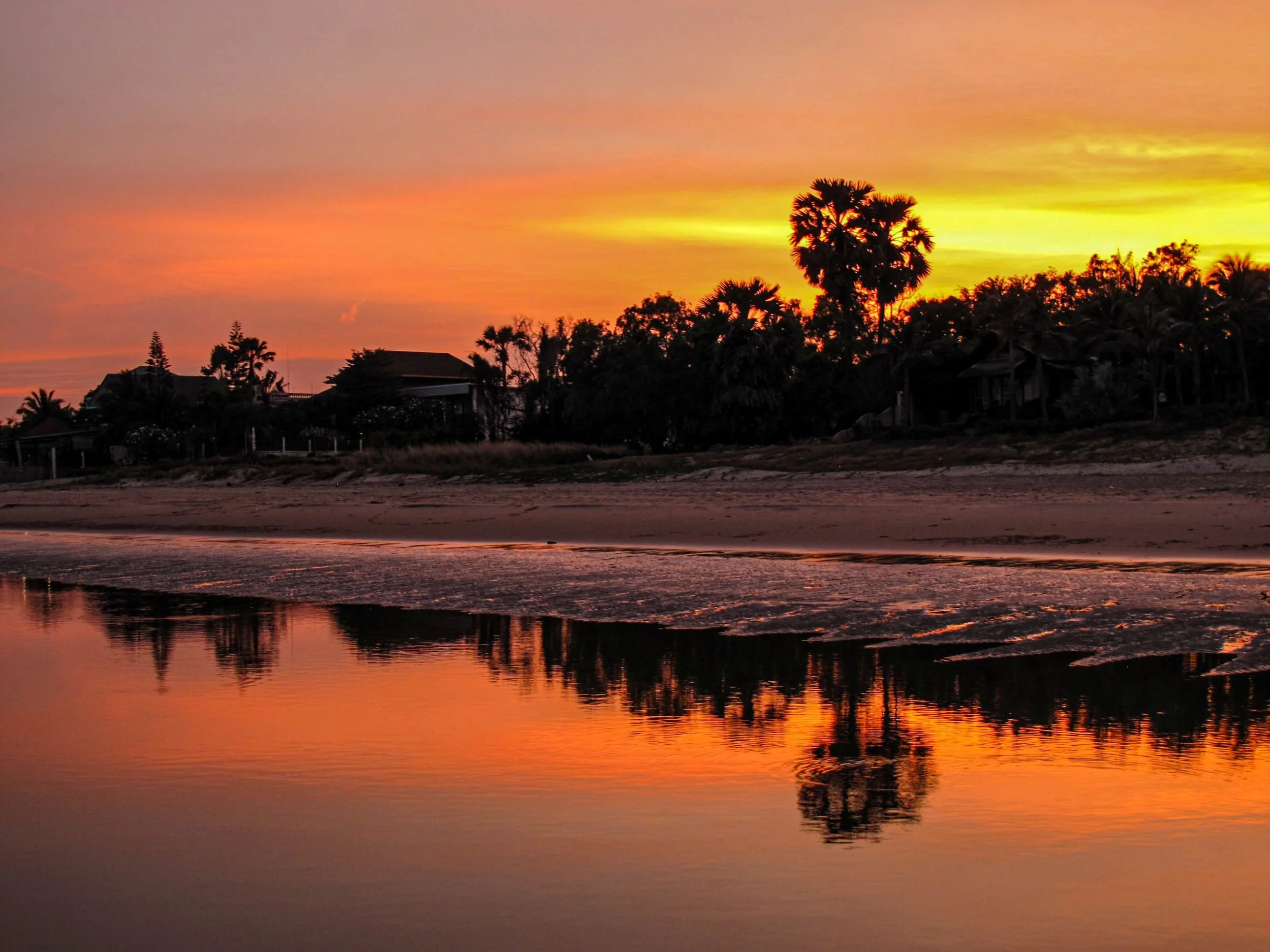
Reflections - where light meets memory
Reflections are more than visual echoes. They are moments where light meets memory, where the present bends into something remembered. In abstract photography, reflections offer a canvas that is both familiar and elusive. A puddle on a city street doesn’t just mirror buildings—it captures the mood of a rainy afternoon, the hush of footsteps, the glint of a passing thought. These mirrored surfaces distort reality just enough to make us pause. Ripples stretch shapes into fluid brushstrokes, glass panes fracture scenes into layered fragments, and polished metal turns the ordinary into something surreal. This distortion invites emotion. It asks the viewer not just to see, but to feel. Reflections hold time in suspension.

Chasing Light: My Favourite Photographs of Sunsets and Sunrises
There is something timeless and deeply moving about the moments when the sun meets the horizon. Whether it is the end of the day or the beginning of a new one, these scenes hold a quiet power. For me, photography is not just about capturing what I see. It is about preserving emotion, atmosphere, and memory. And nothing brings that to life quite like a sunset or a sunrise.
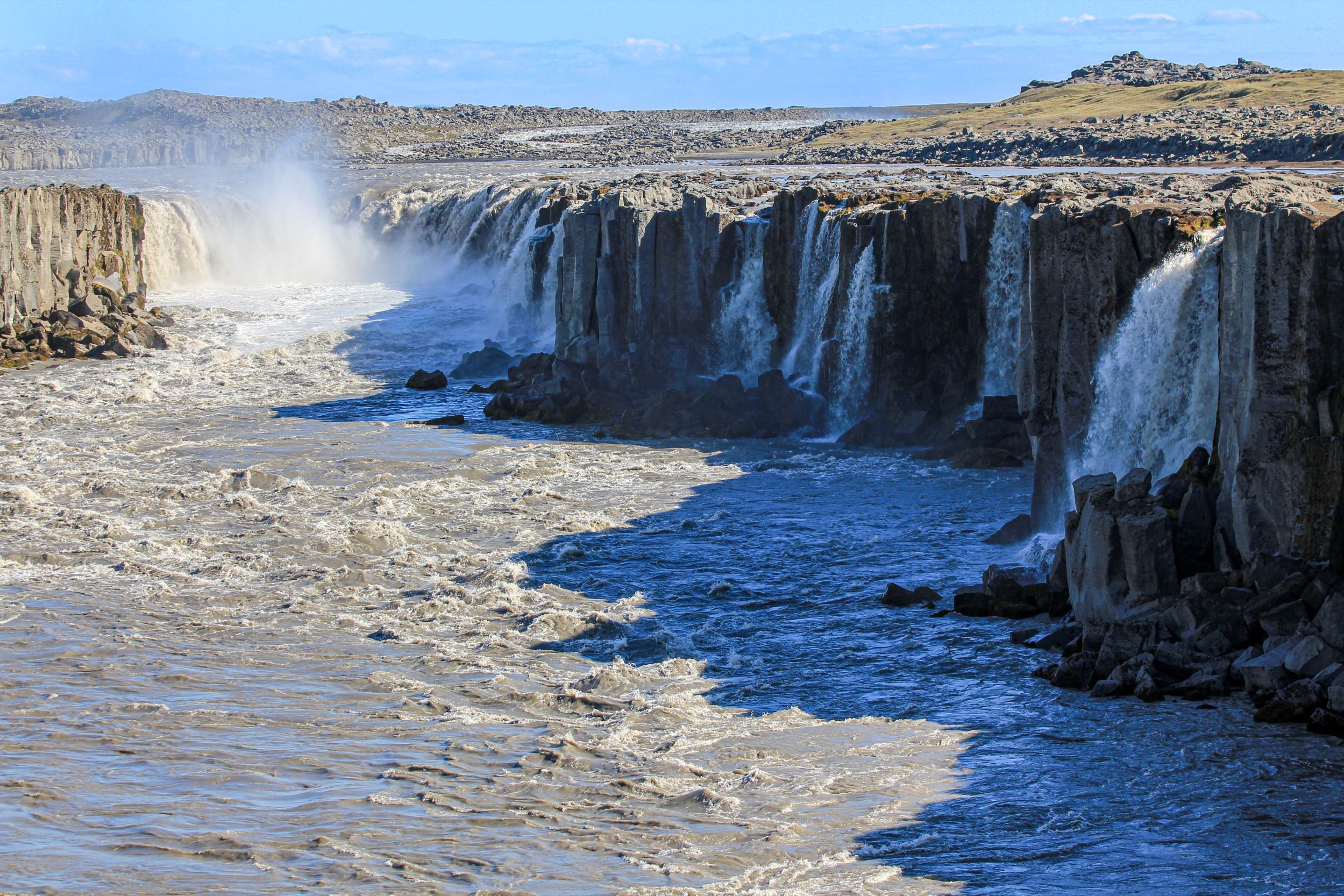
What’s the first thing an aspiring Photographer should learn
Before diving into camera settings or chasing the latest gear, the most important skill for any aspiring photographer is learning how to see. Not just to look, but to truly observe. Photography begins with presence. It starts with noticing how light moves across a surface, how silence shapes a space, and how form emerges from shadow. This is not about technique. It is about attention.

Iceland - a Photographer’s Paradise
Where fire and ice meet silence and form
There are places that demand to be photographed. Iceland doesn’t. It invites you.
The landscapes here aren’t just dramatic—they’re elemental. Glaciers stretch across the horizon like frozen time. Volcanic ridges rise from the earth with quiet authority. Waterfalls fall not with noise, but with rhythm. And the light—especially the light—moves like something alive. Soft, low, and endlessly directional.
Iceland is a study in contrast. Black sand against white snow. Steam rising from frozen ground. The Northern Lights threading colour through a monochrome sky. It’s not just beautiful—it’s surreal. And yet, it never feels artificial. It feels earned.
For photographers, this is a place of endless possibility. Every turn reveals a new composition. Every weather shift redraws the scene. You don’t chase images here—you wait for them. You listen. You notice.
I’ve stood in silence beside ice caves that glowed blue from within. I’ve watched the sun skim the horizon for hours, never quite setting. I’ve framed basalt columns, geothermal pools, and empty roads that stretch into nothing. And each time, I’ve felt the same thing: presence.
Iceland doesn’t offer easy photographs. It offers honest ones. And that’s why it’s a paradise—not for tourists, but for those who see.

The Beauty of sunsets
There is something quietly profound about watching the sun disappear. A sunset is not just a spectacle. It is a transition. The light softens, colours deepen, and the world seems to exhale. In that brief window, everything slows. The noise fades. The ordinary becomes extraordinary.
Photographing sunsets teaches patience. You learn to wait, to observe, to respond. The camera becomes a companion in stillness. You begin to understand how light behaves at the edge of day, how shadows stretch and dissolve, how colour shifts from gold to crimson to blue. Each sunset is different, and each one asks you to see with fresh eyes.
But beyond technique, sunsets remind us to be present. They mark the end of something and the beginning of something else. They are moments of closure, of reflection, of quiet awe. In a single frame, you can hold the feeling of time passing. And in that feeling, there is beauty.
So take the photo. Not to capture the sunset, but to honour it. To remember how it felt. To remember that you were there